
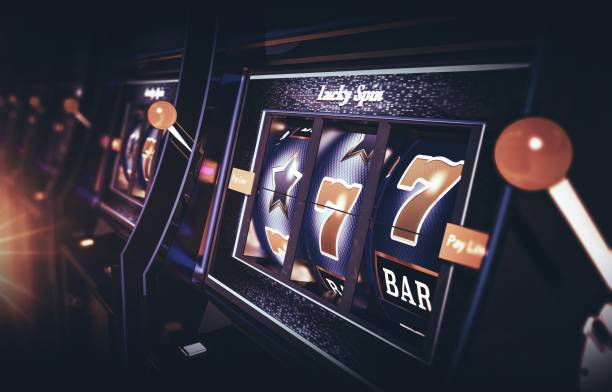
Slot games are no longer defined only by spinning symbols and static backgrounds. As digital technology advances, developers are creating more immersive experiences that combine animation, layered sound, responsive interfaces, cinematic visuals, and interactive features.
The result is a new generation of slot design where the reels remain central, but the surrounding environment plays a much larger role. Technology is helping transform what was once a simple mechanical format into a more dynamic form of digital entertainment.
From Static Reels to Interactive Environments
Traditional slot machines were limited by their physical construction. Reels rotated inside cabinets, symbols were printed onto fixed surfaces, and visual effects were largely restricted to lights and mechanical movement.
Digital development removed many of those limitations.
Modern slots can place reels inside animated landscapes, themed worlds, or story-driven settings. Backgrounds may change as features activate, characters can react to events, and entire interfaces may transform during different stages of play.
Instead of viewing the reels as an isolated element, developers can build an environment around them.
This shift has made visual storytelling a much larger part of modern slot design.
Advanced Graphics Make Digital Worlds More Detailed
Graphics technology is one of the biggest drivers of immersion.
Modern development tools can create high-resolution symbols, layered backgrounds, particle effects, lighting changes, and smooth transitions. Some สล็อต games use animation techniques similar to those seen in mobile games and other interactive entertainment formats.
Real-time rendering allows these effects to respond immediately to game events.
For example, an environment may brighten when a feature begins, objects in the background may move, or symbols may transform into animated elements.
These details help create a sense that the game is reacting rather than simply displaying a fixed sequence.
Animation Is Becoming Part of the Experience
Animation has moved beyond decorative movement.
In many modern slots, it helps communicate changes in the game. Symbols can expand, disappear, merge, or shift across the screen. Reel structures can change shape, and new areas of the interface may appear during special sequences.
Animation can also support character-based themes.
A character may guide a transition, react to a symbol combination, or introduce a new stage. These movements create a stronger connection between the visual theme and the mechanics operating underneath.
When used effectively, animation makes complex events easier to follow without relying on large amounts of text.
Sound Design Creates a Sense of Space
Immersion is not created through visuals alone. Audio plays an equally important role.
Modern slots can include layered music, ambient effects, character voices, interface sounds, and event-specific audio.
A background soundtrack may change as the SAWA888 game enters another stage. Environmental sounds can reinforce a theme, while short audio cues can confirm an action or signal a feature.
Some developers also use spatial-style audio techniques to create the impression that sounds are coming from different areas of the digital environment.
When sound and animation are synchronized, the experience feels more cohesive.
Mobile Hardware Supports Richer Experiences
The growing power of smartphones has made more sophisticated slot design possible on smaller devices.
Modern mobile processors can handle detailed graphics, animations, and complex interface transitions that would once have required desktop hardware.
Responsive design ensures these elements adapt to different screen sizes.
Instead of simply shrinking a desktop layout, developers can reposition controls, resize reels, simplify menus, and adjust visual elements for portrait or landscape use.
Touch interaction also creates opportunities for more intuitive navigation. Menus, information panels, and bonus interfaces can respond directly to taps and gestures.
HTML5 Enables Flexible Game Delivery
HTML5 has become an important technology for delivering immersive browser-based slots.
It supports animation, sound, interactive elements, and graphical content without requiring additional plug-ins. This allows games to operate across a wide range of modern devices and operating systems.
For developers, this makes it easier to build experiences that remain visually consistent across mobile and desktop environments.
HTML5 also works alongside technologies for audio processing, graphical rendering, and responsive layouts, helping create richer browser-based experiences.
Cloud Systems Keep Complex Games Accessible
More detailed games often require larger graphics, audio, and animation files.
Cloud infrastructure and content delivery networks help manage these resources by distributing them across remote servers. Files can be delivered from locations closer to the user, reducing the distance data must travel.
Developers can also use progressive loading, caching, and compression. Essential content appears first, while additional assets load in the background.
These techniques allow visually complex games to remain practical across different devices and network conditions.
The Future of Immersive Reels
Immersive slot technology is likely to continue developing as graphics engines, mobile hardware, audio systems, and cloud platforms improve.
Future designs may experiment further with three-dimensional environments, augmented elements, adaptive interfaces, and more interactive forms of storytelling.
Yet the familiar reel remains at the center of the experience. What is changing is the world around it. Modern technology is expanding that world, turning simple spinning symbols into increasingly layered digital environments where entertainment and technical design meet.