

Introduction
Pilates has become one of the most popular fitness practices around the world, offering a blend of strength, flexibility, and mindfulness. As more people look to improve their posture, balance, and core strength, the need for well-trained Pilates instructors has grown. Whether you are already a fitness professional or someone looking to start a career in Pilates instruction, understanding the essentials of proper form and breathing techniques is critical. This article will dive into these two key components that are central to successful Pilates instruction, and how mastering them can help your students achieve their fitness goals. If you’re interested in becoming a certified Pilates instructor, a program like the one offered by the American Sport and Fitness Association can provide you with the skills and certification you need.
Understanding Proper Form in Pilates
The foundation of Pilates is rooted in proper form and alignment. It’s not just about performing exercises; it’s about executing movements with precision, control, and awareness. As a Pilates instructor, your ability to teach proper form ensures that your students get the most out of their practice and avoid unnecessary strain or injury.
- The Importance of Alignment
Alignment is a core concept in Pilates. Proper alignment refers to positioning your body in a way that maximizes the efficiency of each movement while minimizing the risk of injury. Whether you’re teaching a beginner or an advanced student, focusing on alignment helps them engage the correct muscles, improve posture, and build strength. Proper alignment also allows for better breathing and circulation during the exercises.- Neutral Spine: One of the first things Pilates instructors teach is the concept of a neutral spine. This means maintaining the natural curvature of the spine throughout movement, neither arching too much nor flattening it against the floor.
- Pelvic Positioning: The positioning of the pelvis is another critical aspect of proper form. Maintaining a neutral pelvic position helps to prevent lower back strain and ensures that the abdominal muscles are fully engaged during exercises.
- Shoulder Stabilization: Proper form also involves correct shoulder positioning. Keeping the shoulders relaxed and stabilized helps protect the neck and upper back, allowing for smoother movements and better muscle engagement.
- Engaging the Core
The Pilates method places a strong emphasis on core strength, which is why engaging the core muscles is essential in every movement. The core isn’t just the abdominal muscles—it includes the muscles of the back, hips, and pelvis. When performing Pilates exercises, instructors should encourage students to pull their belly button toward their spine, engaging their deep abdominal muscles.- Abdominal Engagement: The goal is to activate the deep abdominal muscles—specifically the transversus abdominis—to support the spine and provide stability throughout movement.
- Mind-Muscle Connection: Pilates is as much about mental focus as it is about physical movement. Instructors should guide students to cultivate a mind-muscle connection, encouraging them to feel the muscles they are working during each exercise.
Mastering Breathing Techniques in Pilates
Breathing plays a pivotal role in Pilates. It not only helps facilitate movement but also supports proper alignment, engagement of the core, and overall efficiency. In fact, proper breathing can help students perform exercises more effectively while avoiding unnecessary tension in the body.
- The Basics of Pilates Breathing
The standard breathing technique in Pilates is often referred to as lateral breathing. This method involves expanding the rib cage outward rather than breathing into the belly, allowing for deeper oxygenation and better movement control.- Inhaling and Exhaling: In Pilates, instructors encourage a pattern of inhaling through the nose and exhaling through the mouth. The exhale should be active, helping students engage their core and stabilize their torso.
- Breathing with Movement: Each Pilates exercise should be paired with a specific breathing pattern. Typically, the exhale is coordinated with the exertion phase of an exercise, while the inhale occurs during the easier phase of the movement. For example, in exercises like the roll-up, you would exhale as you roll up and inhale as you return to the starting position.
- Breathing for Core Engagement
Breathing and core engagement are interlinked in Pilates. Proper breathing helps students engage their deep abdominal muscles, which are essential for supporting the spine and stabilizing the body during movement. Instructing students to exhale as they move through the most challenging part of the exercise encourages them to activate their core more efficiently.- Breath and Focus: Encourage students to focus on their breath and allow it to guide their movements. Breath control not only helps facilitate smoother transitions but also keeps the practice more mindful, helping students stay present and focused.
- Breathing for Relaxation
While Pilates exercises are designed to be challenging, the breath should always remain steady and controlled. Deep, consistent breathing helps reduce tension in the body and promotes relaxation during exercises. Instructors should remind students to maintain a calm, flowing breath, which will help reduce stress and keep the body relaxed throughout the practice.
The Role of a Pilates Instructor
As a Pilates instructor, your ability to teach proper form and breathing techniques will directly impact your students’ experience and success.
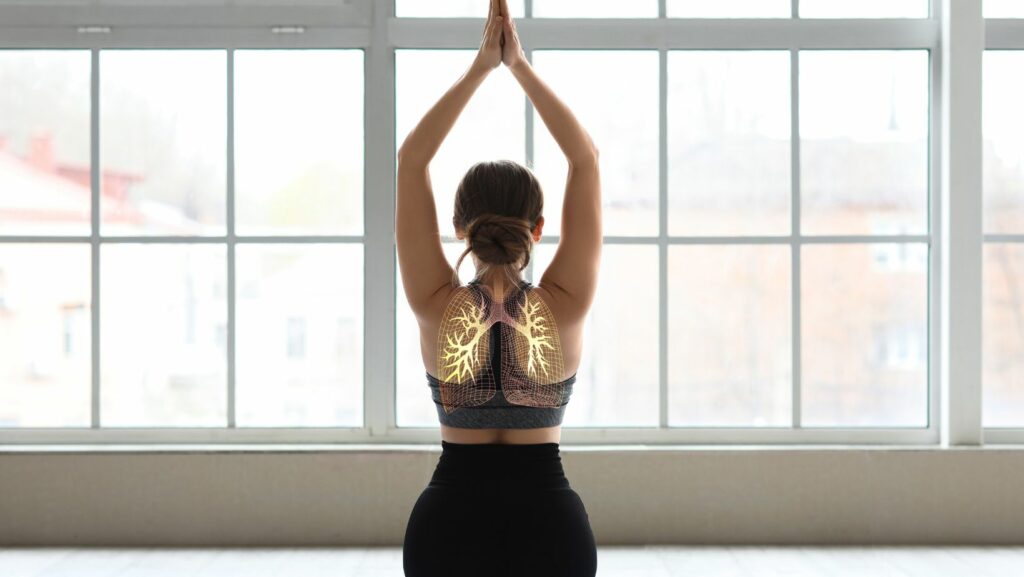
Ensuring that your students understand the importance of form and breathing—and how to incorporate both into their practice—will allow them to achieve the full benefits of Pilates.
- Personalized Attention
Every student is different, and as a Pilates instructor, you should be able to identify the specific needs and abilities of each student. Providing individual cues and adjustments can help students achieve the correct form and make their practice more effective. For example, a beginner may need more guidance with spinal alignment or core engagement, while an advanced student may need assistance with refining their movements or breathing. - Safety First
One of the most important responsibilities of a Pilates instructor is ensuring the safety of your students. By teaching them proper form and breathing techniques, you help prevent injuries and ensure that each movement is performed safely and effectively. As a certified instructor, you will be equipped to recognize signs of strain or discomfort in your students and provide modifications when necessary.
Conclusion
Mastering proper form and breathing techniques is essential for both Pilates instructors and students. These two components are the foundation of a successful Pilates practice, helping students achieve improved strength, flexibility, and overall well-being. As a Pilates instructor, your ability to teach these techniques will not only enhance your students’ fitness experience but also set you apart as a knowledgeable and skilled professional in the industry.
If you are passionate about teaching Pilates and want to learn more about becoming a certified instructor, consider enrolling in a comprehensive www.americansportandfitness.com/products/pilates-certification. Becoming a certified Pilates instructor will give you the skills and expertise needed to guide others through a safe, effective, and rewarding Pilates practice.